“Painless” piles surgery usually means that you do not feel the procedure itself, not that recovery is completely free of soreness. By understanding the diagnosis, hemorrhoid grade, treatment trade-offs, surgical pathway, and recovery demands, you can ask better questions and choose care that matches your symptoms and anatomy.
Key takeaways
- Painless surgery means numbness during treatment, not zero discomfort afterward.
- Grade I and II hemorrhoids often start with medicines or office procedures.
- Compare laser, banding, and hemorrhoidectomy by recurrence, pain, and recovery time.
- Seek urgent care for heavy bleeding, fever, severe pain, or difficulty passing urine.
What Painless Piles Surgery Feels Like—and How Doctors Confirm the Diagnosis
Painless piles surgery meaning is comfort during the procedure, not a promise of zero discomfort afterward. With local anaesthesia for piles surgery, you remain awake while the area is numb; regional anaesthesia numbs the lower body, and general anaesthesia hemorrhoids procedures leave you unconscious.
You may still notice pressure, movement, or pulling, but sharp pain should be controlled.
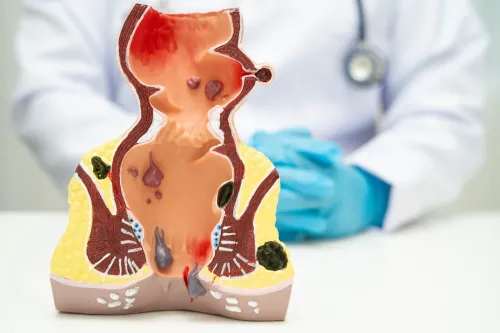
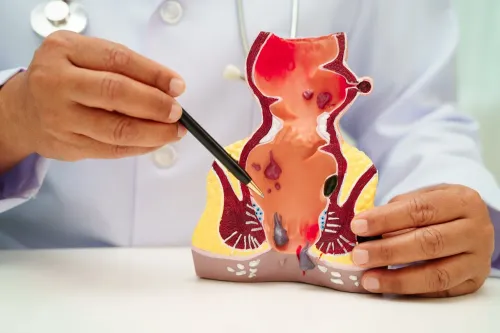
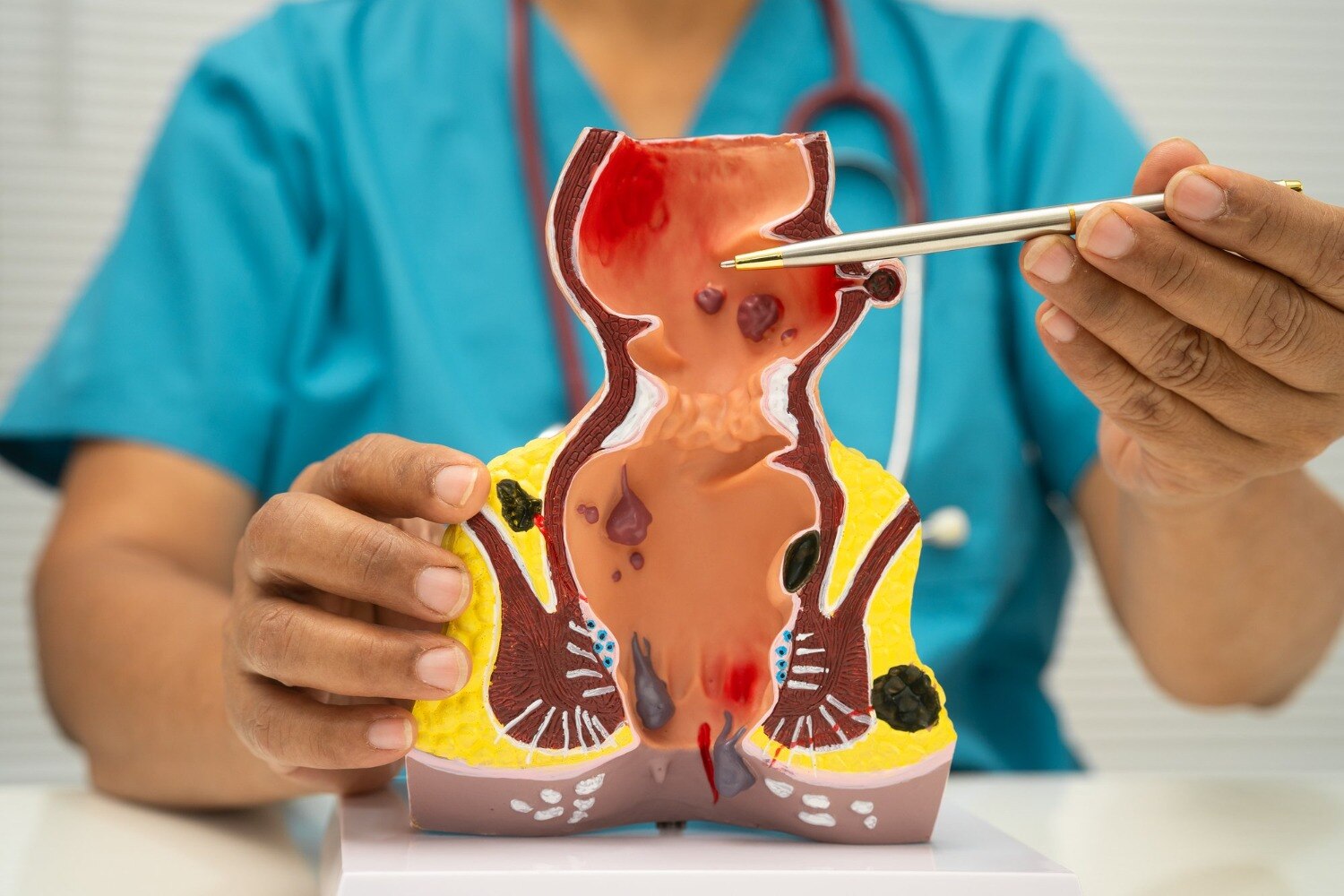
- Hemorrhoids are normal vascular cushions in the anal canal. Treatment targets cushions causing bleeding, prolapse, thrombosis, itching, or pain—not every cushion a doctor can see.
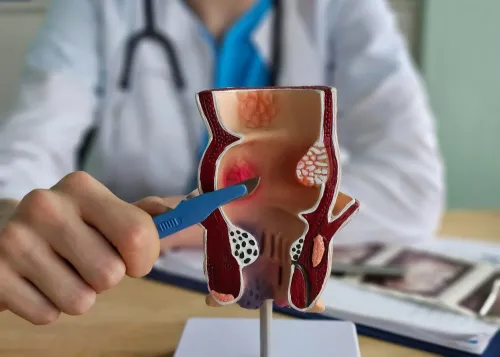
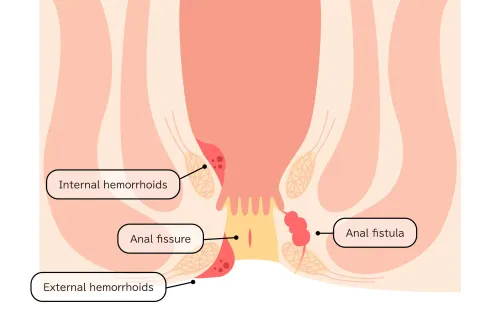
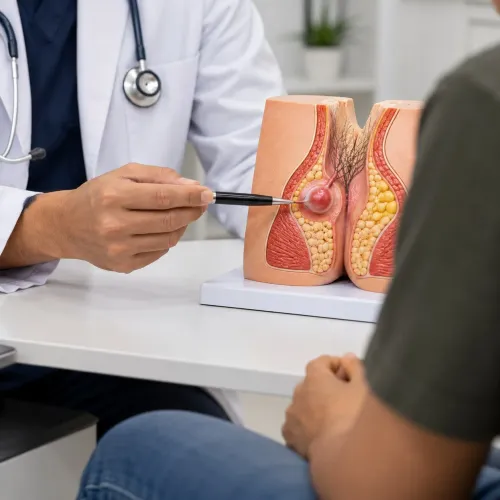
- The surgeon inspects the anus, then performs a digital rectal examination to assess tenderness, masses, and other abnormalities. Anoscopy uses a short lighted instrument to view internal hemorrhoids and helps distinguish them from an anal fissure, fistula, abscess, rectal polyp, or another lesion.
- Ask why the proposed treatment matches your symptoms and anatomy. Pressure, urgency, soreness, urinary difficulty, and painful bowel movements can occur after treatment, especially as tissue swells or heals; these symptoms do not automatically mean the procedure failed.
Do not assume persistent or recurrent bleeding is piles. Discuss colon evaluation when bleeding continues or returns, bowel habits change, iron-deficiency anemia is present, you lose weight, abdominal symptoms occur, or a close family history raises concern. A colon examination or other investigation can identify disease higher in the bowel that an anal examination cannot.
Which Treatment Fits Grade I, II, III, and IV Hemorrhoids?
Grade I, II, III, and IV hemorrhoids are classified by how far internal hemorrhoids prolapse. Grade I hemorrhoids bleed without prolapsing; grade II prolapse during straining but return inside on their own; grade III require manual replacement; and grade IV remain outside and cannot be reduced.
Conservative treatment for piles comes first for many patients because hard stools and straining can keep the problem active:
- Increase dietary fiber and drink adequate fluids.
- Spend less time sitting on the toilet.
- Avoid pushing or holding your breath during bowel movements.
- Treat constipation or diarrhea rather than ignoring either pattern.
| Grade | Anatomy and prolapse | Common treatment direction |
|---|---|---|
| I | Bleeding without prolapse | Fiber and bowel-habit changes; sclerotherapy, infrared coagulation, or rubber-band ligation if bleeding persists |
| II | Prolapses with straining, then reduces itself | Conservative care or an office procedure; banding suits selected cases |
| III | Prolapses and needs manual replacement | Assessment for banding or another procedure; larger prolapse or external disease may need surgery |
| IV | Permanently prolapsed and irreducible | Surgical assessment, especially when ulceration, bleeding, or substantial external tissue is present |
Rubber-band ligation, sclerotherapy, and infrared coagulation treat internal disease, not external skin tags or a large external component. Laser hemorrhoidoplasty is therefore not automatically suitable for mixed internal versus external hemorrhoids, prominent skin tags, or extensive prolapse.
A recent painful thrombosed external hemorrhoid is a different problem from prolapsing internal hemorrhoids. Thrombosed external hemorrhoid treatment may involve pain relief, stool-softening measures, and time; early excision is reserved for selected severe cases.
Laser, Banding, and Hemorrhoidectomy: The Trade-Offs Behind “Painless” Treatment
“Painless” means pain is controlled during treatment, not that recovery is sensation-free. Local, regional, or general anaesthesia can prevent sharp pain, but pressure, urgency, soreness, or painful bowel movements may follow.
| Option | Treats and invasiveness | What can happen afterward |
|---|---|---|
| Laser hemorrhoidoplasty versus hemorrhoidectomy | Laser suits selected internal hemorrhoids and shrinks tissue through small access points; excisional surgery removes hemorrhoidal tissue and is more invasive. | Laser recovery is often easier, but recurrence remains possible. Hemorrhoidectomy is more painful and slower to recover, yet is often chosen for advanced prolapse, substantial external disease, mixed internal-and-external hemorrhoids, or failed office treatment. |
| Rubber-band ligation | Office treatment for selected internal grade I, II, and some grade III hemorrhoids. The band must sit above the dentate line, where sensation is limited. | A low band can cause severe pain. Delayed bleeding can occur when the banded tissue separates. |
| Sclerotherapy for hemorrhoids | Injection treatment for selected bleeding internal hemorrhoids; it does not remove external tissue. | Bleeding may improve while a lump or skin tag remains. |
| Infrared coagulation hemorrhoids | Office treatment that coagulates small internal bleeding sites, with limited tissue injury. | Repeat treatment may be needed, and external disease remains. |
| Stapled hemorrhoidopexy or Doppler-guided dearterialization | Both can reduce early pain in selected patients; dearterialization may need mucopexy for prolapse. | Recurrent prolapse or bleeding remains possible, especially with advanced disease. |
Excisional surgery is often the better trade-off for large external or mixed disease. No option guarantees a painless, permanent result: discuss recurrence, urinary retention, infection, bleeding, and another procedure before consenting.
The Treatment Pathway: Consultation, Anaesthesia, Procedure, and Discharge
Your first appointment should end with a diagnosis and plan, not merely a procedure label. The piles surgery consultation should identify the dominant problem—bleeding, prolapse, pain, thrombosis, itching, skin tags, or mixed disease—along with bowel habits, previous treatments, allergies, blood thinners, diabetes, and every medicine you take.
Ask the surgeon whether you need:
- A digital rectal examination, anoscopy before hemorrhoid treatment, blood tests, colon evaluation, or another investigation
- Medication changes, bowel preparation for hemorrhoid surgery, fasting, or someone to drive you home
- The planned anaesthesia, procedure length, monitoring, pain relief, stool-softening medicine, wound care, and follow-up date
| Anaesthesia | What you may experience | Planning point |
|---|---|---|
| Local | Numbing injections while awake; pressure or movement can remain | Arrange fasting and transport only if instructed |
| General | You are unconscious during the procedure | Follow fasting rules and arrange an adult escort home |
The surgeon should explain what happens during the operation and the discharge criteria, such as stable observations, controlled pain, and ability to pass urine. Your hemorrhoid surgery discharge and follow-up plan should specify warning symptoms, dressing or bathing instructions, and when the review occurs.
In Nashik, Shree Hospital - 08048060809 can be one place to ask these exact questions before consenting; choose based on anatomy, risks, and recovery—not only the word “laser.”
Related services
Pile Fissure and Fistula Piles (hemorrhoids) can cause discomfort, pain, and embarrassment, affecting your daily life and confidence. View service → |
Pile Fissure and Fistula Hemorrhoidectomy (Surgery for Piles) Severe piles (hemorrhoids) can cause persistent pain, bleeding, and discomfort, making everyday activities difficult. View service → |
Recovery After Piles Treatment: Bowel Movements, Work, Driving, and Warning Signs
Light bleeding, burning, pressure, urgency, and swelling can occur after piles treatment, even when the procedure felt painless. Recovery differs: banding often settles fastest, laser treatment usually needs more time, and excisional hemorrhoidectomy commonly causes the most pain during bowel movements after hemorrhoid surgery.
1. Take prescribed analgesia rather than waiting for severe pain. Use the recommended stool softener, eat fiber-rich food, drink adequate fluids, and avoid straining or sitting on the toilet for long periods. Early comfort does not prove a lower recurrence risk; less painful procedures can allow prolapse or bleeding to return.
2. Follow hemorrhoid surgery wound care instructions exactly. Rinse with warm water or take a warm sitz bath, then pat dry without aggressive rubbing. Keep dressings in place as directed, and use a cushion or change position to reduce sitting discomfort.
3. Driving work and exercise after piles treatment depend on the procedure and your surgeon’s instructions. Drive only when pain is controlled, you are not impaired by analgesics, and you can brake hard without hesitation. Return to work and strenuous exercise gradually; avoid heavy lifting until cleared.
4. Keep the follow-up appointment if bleeding, pressure, urgency, or prolapse persists. The surgeon may need to check healing, investigate another cause, or recommend another procedure.
Contact your medical team urgently for heavy or persistent bleeding, fever, worsening swelling, inability to urinate, escalating pain, pus, dizziness, or failure to pass stool and gas.
Frequently asked questions
What does painless piles surgery feel like?
Anaesthesia numbs the treatment area or lower body, so you may feel pressure or movement rather than sharp pain. Soreness can occur after the procedure.
Which treatment suits Grade I, II, III, and IV hemorrhoids?
Grade I and some Grade II hemorrhoids often respond to fibre, medicines, or rubber band ligation. Grade III and IV hemorrhoids need a surgical assessment and may require excision or another procedure.
How do laser treatment, rubber banding, and hemorrhoidectomy differ?
Banding is an office procedure for suitable internal hemorrhoids. Laser treatment uses heat to shrink or seal tissue. Hemorrhoidectomy removes hemorrhoidal tissue and usually involves more recovery, but it can suit large or advanced hemorrhoids.
What happens during the piles treatment pathway?
A doctor confirms the diagnosis with a history and examination, selects anaesthesia, performs the procedure, observes you afterward, and gives discharge instructions.
When can you work, drive, and have bowel movements after piles treatment?
Timing depends on the procedure, pain control, and anaesthesia. Do not drive while taking sedating pain medicine or until you can brake and move comfortably. Follow the surgeon’s plan for work and bowel care.
Related service
Pile Fissure and Fistula Piles (hemorrhoids) can become severe and difficult to manage when symptoms like pain, bleeding, and swelling persist despite medication or... View service → |