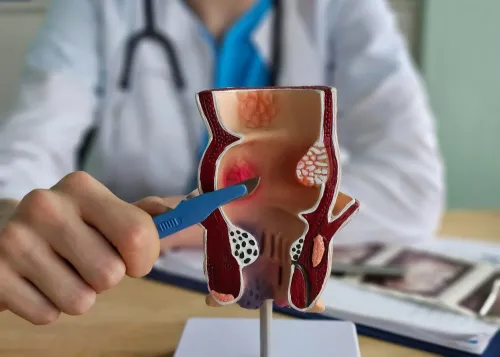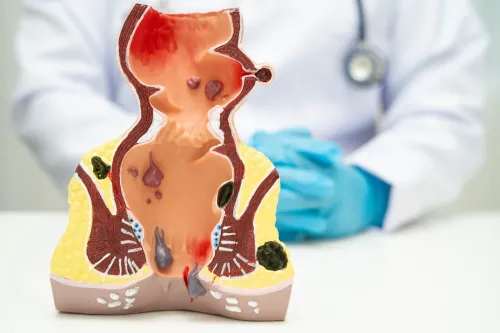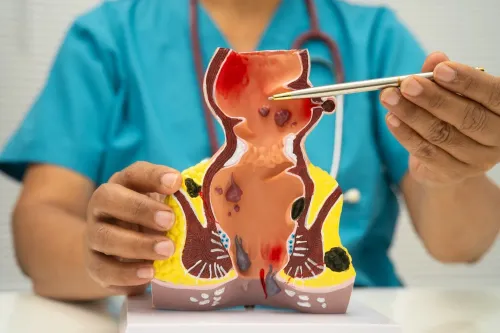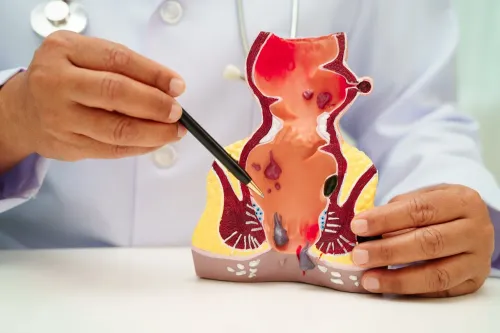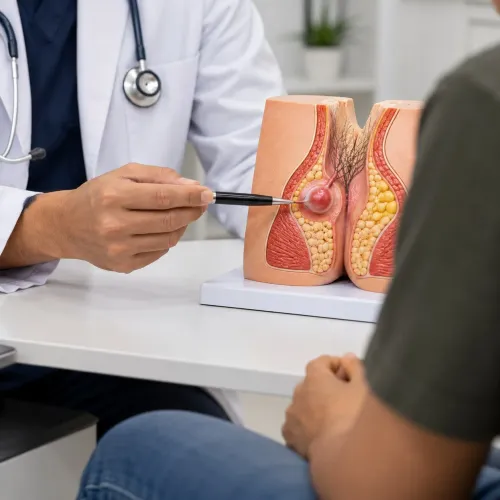
Anal pain can be difficult to discuss, which is one reason many people try to manage it privately for weeks or months. Unfortunately, self-diagnosing every painful anorectal symptom as piles can delay appropriate care. An Anal Pain Doctor evaluates the pattern and cause of pain before recommending treatment.
For patients in Nashik, Maharashtra, avoiding a few common mistakes can make the path to diagnosis much clearer.
Assuming Every Painful Condition Is Piles
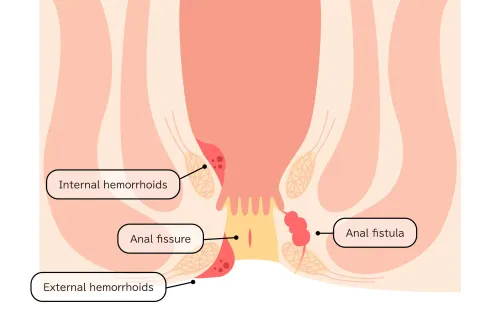
Piles can cause discomfort, particularly when external haemorrhoids become thrombosed, but severe pain during bowel movements is often associated with other conditions such as an anal fissure.
An abscess can cause persistent, throbbing pain with swelling and may require timely medical attention.
Because treatment differs considerably between these conditions, guessing the diagnosis can be misleading.
Using Multiple Creams Without Diagnosis
Pharmacy creams may temporarily soothe some symptoms, but repeatedly changing creams does not establish why the pain is occurring.
Some products can also irritate sensitive skin when used excessively or for longer than recommended.
If pain continues, an examination is more useful than adding another topical product.
Ignoring Constipation
Hard stools and repeated straining can contribute to fissures and haemorrhoidal symptoms.
Patients sometimes focus entirely on pain relief while overlooking bowel habits. Improving stool consistency, hydration, dietary fibre, and toilet habits may form an important part of management.
However, sudden or significant changes in bowel habits should themselves be discussed with a clinician.
Waiting Despite Swelling and Fever
Pain associated with increasing swelling, fever, or feeling generally unwell requires prompt medical assessment because an infection or abscess may be present.
An anorectal abscess is not something that should simply be observed indefinitely or squeezed at home.
Urgent evaluation can determine whether drainage or another treatment is necessary.
Hiding Important Information From the Doctor
Embarrassment can lead patients to omit details about bleeding, discharge, bowel habits, previous abscesses, or earlier surgery.
These details can be clinically important.
For example, recurrent pus discharge after a previous abscess may raise concern about an anal fistula. Accurate information helps the clinician decide which examinations or investigations may be appropriate.
Expecting an Immediate Procedure
Not every patient visiting a surgeon for anal pain requires surgery.
Treatment might involve constipation management, medicines, local care, drainage of an infection, or a planned surgical procedure depending on the diagnosis.
Patients benefit when the treatment plan is based on findings rather than an assumption that every specialist consultation will lead directly to an operation.
Know When to Seek Help
Arrange medical assessment if pain is severe, repeatedly returns, persists despite basic measures, occurs with bleeding or discharge, or is associated with a lump.
Heavy bleeding, black stools, fever, dizziness, significant weakness, or rapidly worsening symptoms deserve prompt medical attention.
Shree Hospital in Nashik evaluates anorectal conditions including piles, fissures, fistulas, abscess-related problems, and pilonidal disease.
Seeing an Anal Pain Doctor is ultimately about identifying the source of the symptom. Pain is a signal, not a diagnosis. The sooner its cause is clarified, the sooner an appropriate management plan can be considered without relying on repeated assumptions and self-treatment.
Keywords