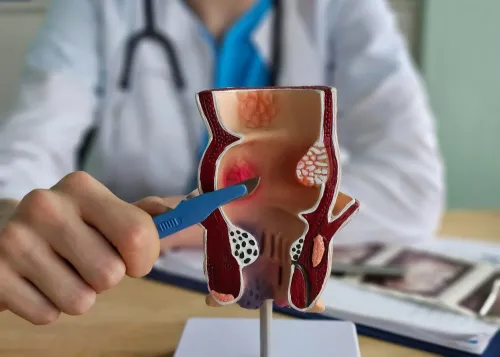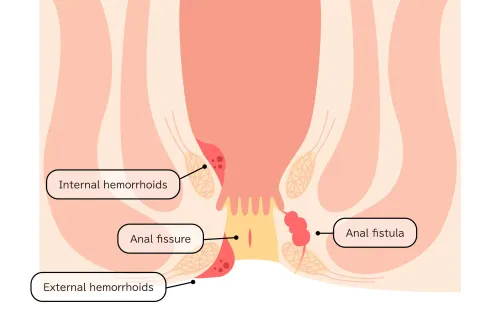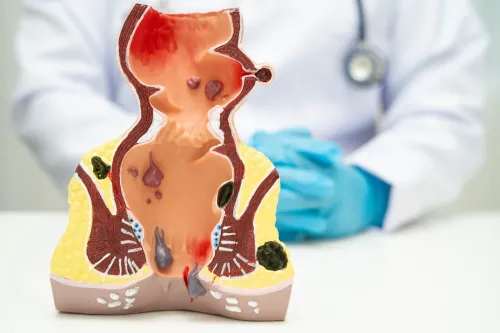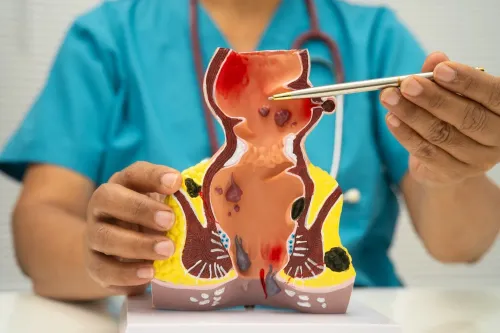
Anal fissures often begin after a hard or difficult bowel movement, yet the pain they cause can become surprisingly severe. Many patients recover with conservative care, while others continue experiencing pain and bleeding despite treatment. A Fissure Specialist helps determine whether additional medical management is reasonable or whether a procedure should be considered.
For people seeking care in Nashik, Maharashtra, the decision should depend on clinical findings rather than simply how painful a single episode feels.
Duration Is an Important Clue
A newly developed fissure is generally approached differently from one that has persisted for an extended period.
Acute fissures may heal when repeated trauma from hard stools is reduced. Chronic fissures can develop characteristic changes and may be more resistant to basic measures.
The doctor will ask when symptoms started and whether there have been previous episodes.
Previous Treatment Matters
Before recommending surgery, the clinician may review what conservative measures have already been tried.
These can include:
- Dietary fibre
- Adequate hydration
- Stool-softening strategies
- Sitz baths
- Prescribed topical medicines
- Changes in bowel habits
Simply saying that “creams did not work” may not provide enough information. Tell the doctor which medicines were used and for how long whenever possible.
Examination Helps Confirm the Diagnosis
Sharp pain and bright red bleeding can suggest a fissure, but symptoms alone do not always establish the diagnosis.
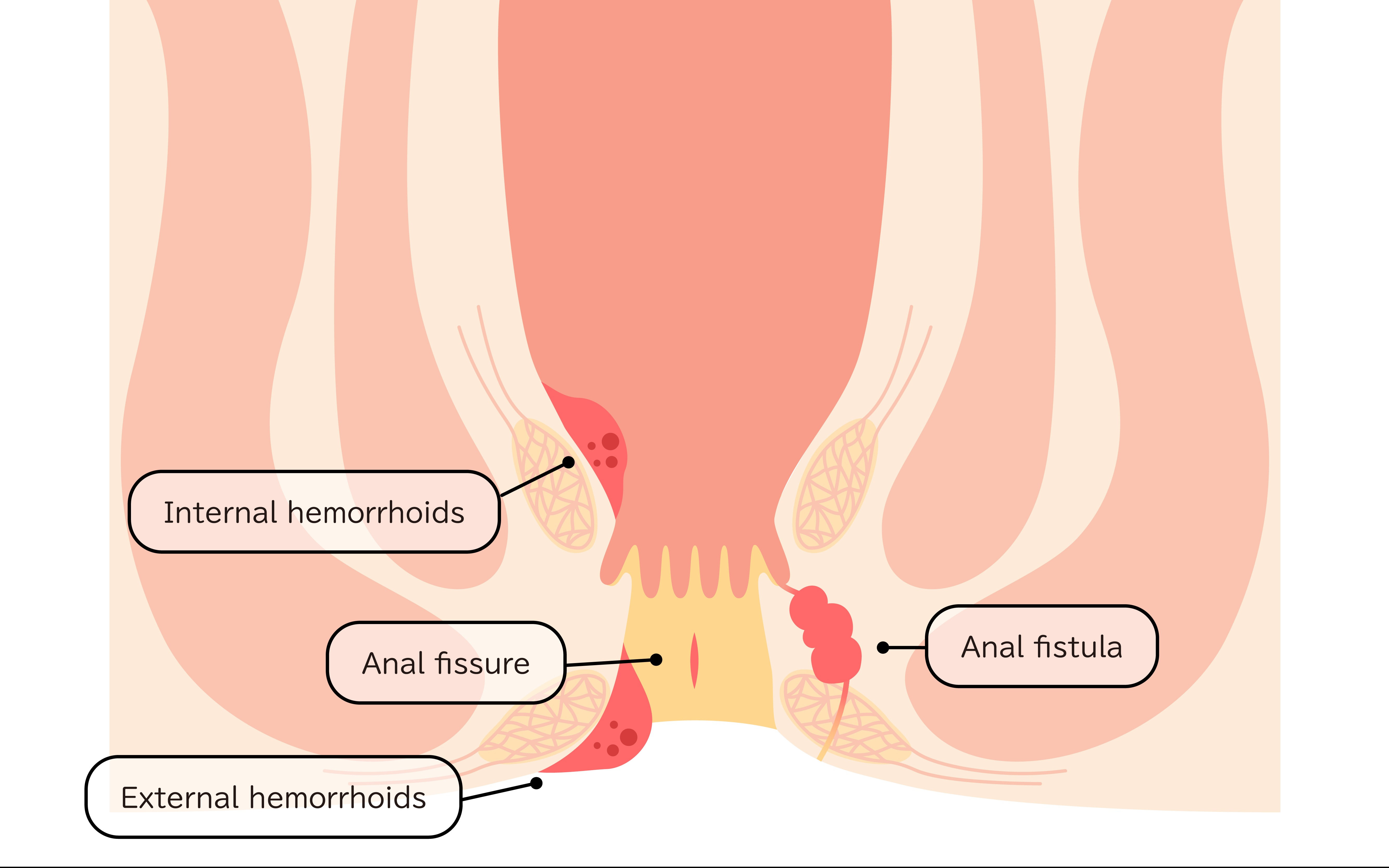
An appropriate examination can help confirm the fissure and identify its location and characteristics.
Unusual, multiple, or atypically located fissures may sometimes require evaluation for underlying conditions rather than routine fissure treatment alone.
Surgery Is Not Based on Pain Alone
Severe pain certainly affects quality of life, but procedural treatment is usually considered in the broader context of chronicity, examination findings, response to medical therapy, recurrence, and individual health considerations.
Different procedures may be available, including conventional and laser-assisted approaches in selected patients.
The surgeon should explain why a particular option is being recommended.
Ask About Functional Risks
Any treatment involving the anal region should consider bowel-control function.
Patients should discuss the potential benefits, risks, alternatives, expected healing, and relevant continence considerations before agreeing to surgery.
Individual factors such as previous anorectal operations may also influence procedural planning.
Recovery Requires Preventing Hard Stools
Surgery does not make bowel habits irrelevant.
During recovery, passing soft stools and avoiding excessive straining can make bowel movements more manageable and support healing. Patients should follow the surgeon's specific recommendations regarding diet, medicines, hygiene, and activity.
At Shree Hospital in Nashik, patients with persistent anal fissure symptoms can undergo assessment to determine whether conservative care remains appropriate or whether a procedural option should be discussed.
Seeing a Fissure Specialist is particularly worthwhile when pain continues, bleeding recurs, symptoms repeatedly return after temporary improvement, or previous treatment has not provided adequate relief.
The aim is not to move every patient toward surgery. It is to identify why the fissure is persisting and select an approach appropriate to its duration, clinical appearance, previous treatment, and the patient's individual circumstances.
Keywords