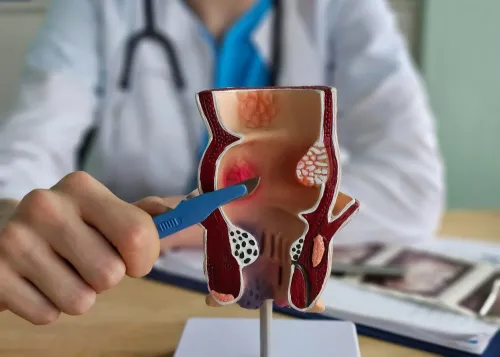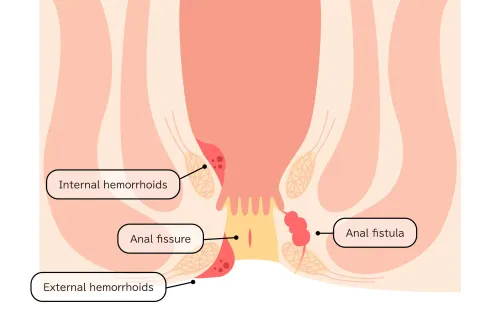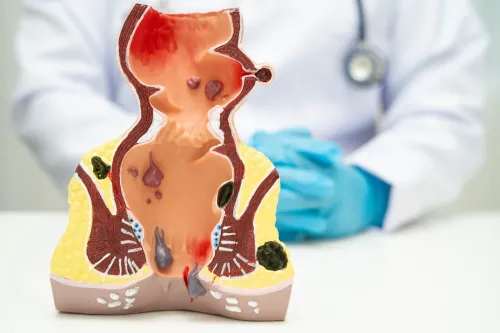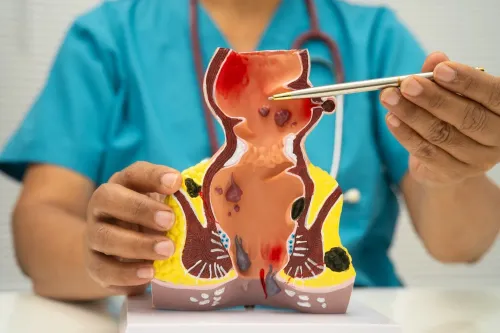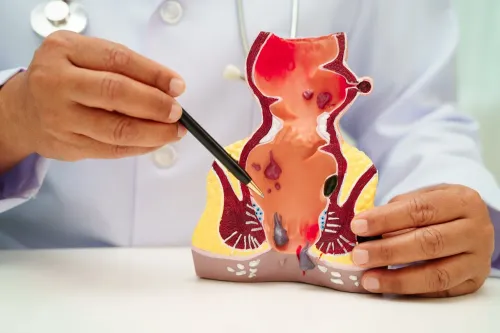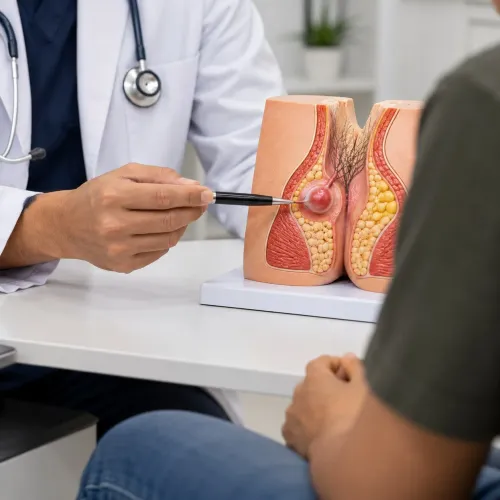
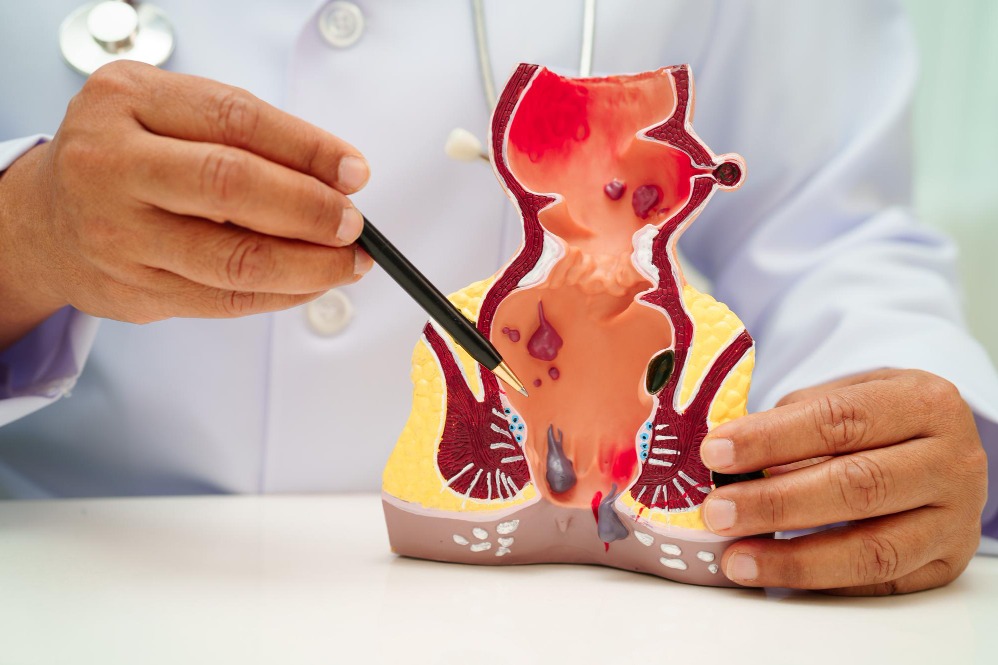
Anal fistula treatment requires careful planning because a fistula is not simply an external opening in the skin. It is a tract that usually connects the anal canal with an opening near the anus. Before undergoing a procedure, patients should understand what their Laser Fistula Doctor has identified and why a particular technique is being recommended.
This is especially important because fistulas vary in complexity and their relationship with the anal sphincter muscles can affect treatment decisions.
Ask Where the Fistula Tract Runs
The external opening visible on the skin is only part of the condition.
The surgeon needs to understand the tract's course and internal opening. Some fistulas are relatively straightforward, while others branch or pass through significant portions of the sphincter muscles.
Depending on the case, examination and imaging may be used to clarify the anatomy.
Ask Whether Your Fistula Is Simple or Complex
This classification can influence treatment.
Previous operations, recurrent abscesses, multiple tracts, certain underlying diseases, and the amount of sphincter involved may make management more complex.
Patients should know whether these factors apply to them.
Understand What the Laser Procedure Involves
The term laser fistula treatment can sound straightforward, but patients should ask for a clear explanation of the actual procedure.
Useful questions include:
- How will the tract be identified?
- What role will the laser play?
- Will any additional procedure be required?
- What type of anaesthesia will be used?
- What wound care will be necessary?
- How will healing be monitored?
The surgeon should also discuss alternative techniques where relevant.
Discuss Continence Preservation
The anal sphincter muscles are responsible for bowel control. Protecting their function is therefore an important consideration in fistula surgery.
Different techniques balance tract eradication, healing, recurrence, and sphincter preservation in different ways.
Patients should ask how their fistula anatomy affects these considerations rather than assuming one method is ideal for every tract.
Ask About Recurrence
No responsible fistula treatment should be described as having a guaranteed zero recurrence rate.
Fistulas can recur for several reasons, including complex anatomy, branching tracts, persistent infection, and underlying disease.
Ask what factors affect recurrence in your particular case and what follow-up will be required to monitor healing.
Understand the Recovery Plan
Before surgery, know what to expect regarding bowel movements, wound hygiene, pain management, dressings, bathing, physical activity, work, and follow-up.
Clear postoperative instructions can reduce uncertainty during recovery.
Shree Hospital in Nashik provides evaluation of anorectal conditions including fistulas. Patients can discuss the fistula's anatomy, available surgical approaches, and whether laser-assisted treatment is appropriate for their clinical findings.
Selecting a Laser Fistula Doctor should therefore involve more than asking whether laser equipment is available. Look for clear diagnosis, careful assessment of fistula anatomy, attention to sphincter function, transparent discussion of recurrence, and structured postoperative care.
Those factors provide a stronger foundation for an informed surgical decision than the name of the technology alone.
Keywords